Choose the right DBS check and manage your application online. Annaizu supports employers, eligible organisations and individuals through the application process.
Start a DBS check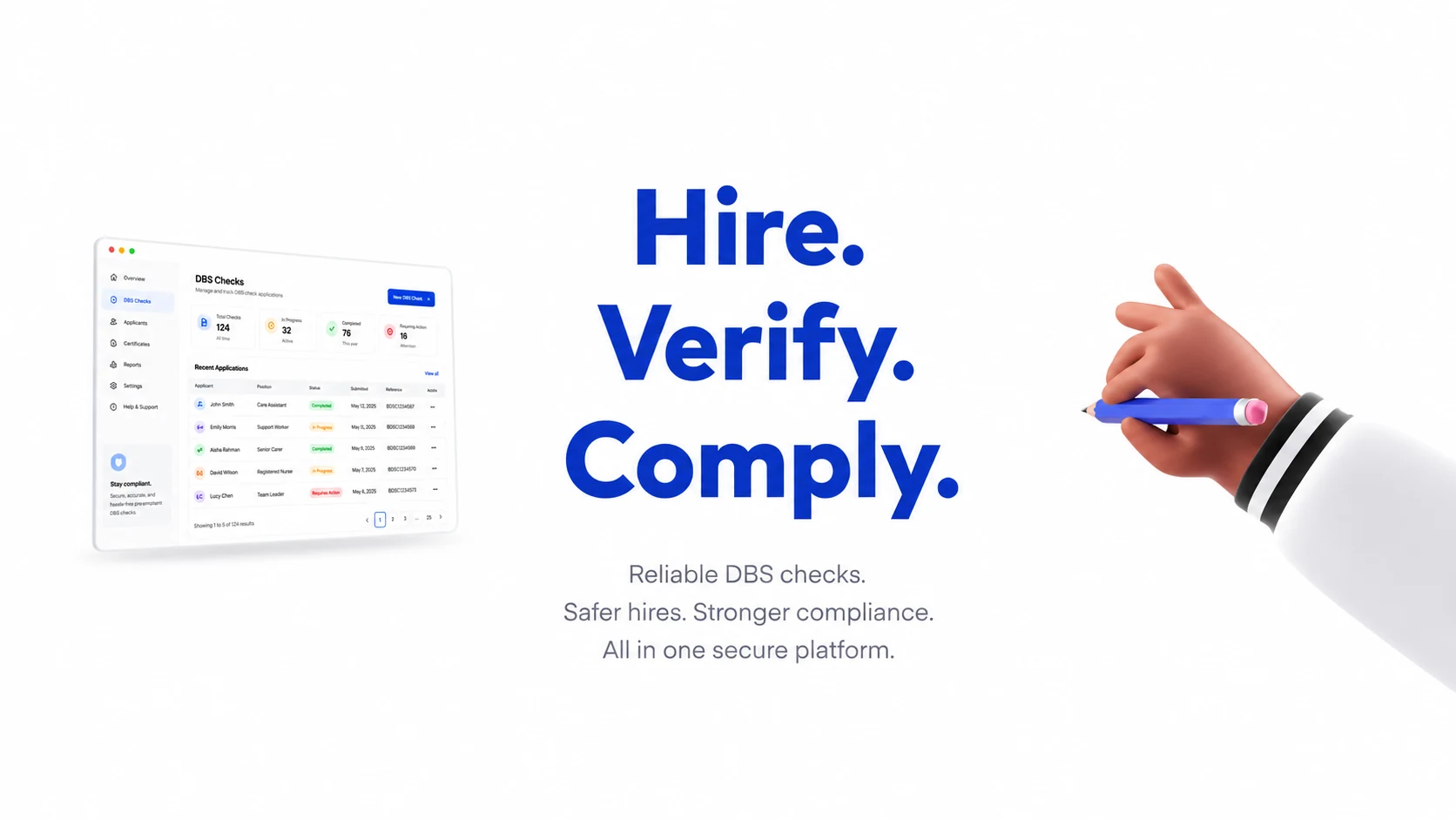

A Disclosure and Barring Service check provides criminal record information. Different levels disclose different information, and access to Standard and Enhanced checks depends on the role's eligibility.

Explore the check types below. Confirm the requested level, role eligibility and total price before applying.







DBS checks for eligible care roles.
DBS checks for informed employment decisions.
Safeguarding checks for eligible roles with children.
DBS checks for responsible employment decisions.
DBS checks using the lawful route for each role.
DBS checks for eligible volunteer and staff roles.
DBS applications for eligible roles handled by agencies.
DBS checks across logistics teams.
A Basic DBS check shows unspent convictions and conditional cautions. Individuals can apply for a Basic check for themselves.
No. A DBS check concerns criminal record information. A right to work check concerns permission to work in the UK. One does not replace the other.
Start with the actual role and the reason for the request. Standard and Enhanced checks require eligibility. A barred list check is a separate eligibility question, not something automatically included in every Enhanced application.
Complete the application and follow the identity verification steps. Annaizu provides an online process for managing applications and tracking progress. Processing times vary, so an estimate is not a guaranteed completion date.
These pages describe DBS routes for England and Wales. Scotland and Northern Ireland have separate disclosure systems. If the work is based elsewhere, confirm the appropriate route before applying.
Review the current check price and confirm what it includes. Role eligibility and any relevant volunteer fee exemption need checking separately from the service charge.